Daily Brief Nov 13, 2026 · How we checked →
Huang resigns as NVIDIA CEO; filing doesn't say if forced
At a glance
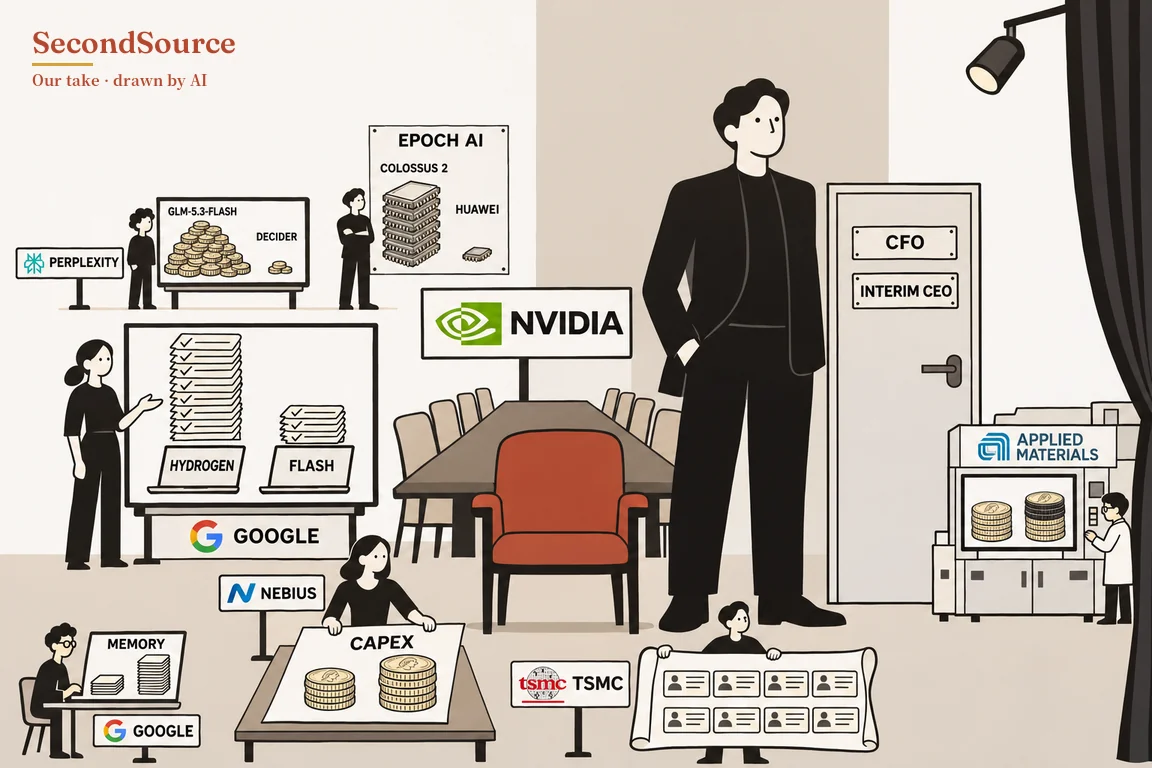
1. NVIDIA's CFO Colette Kress becomes acting CEO, and the November 17 earnings report stays on schedule.
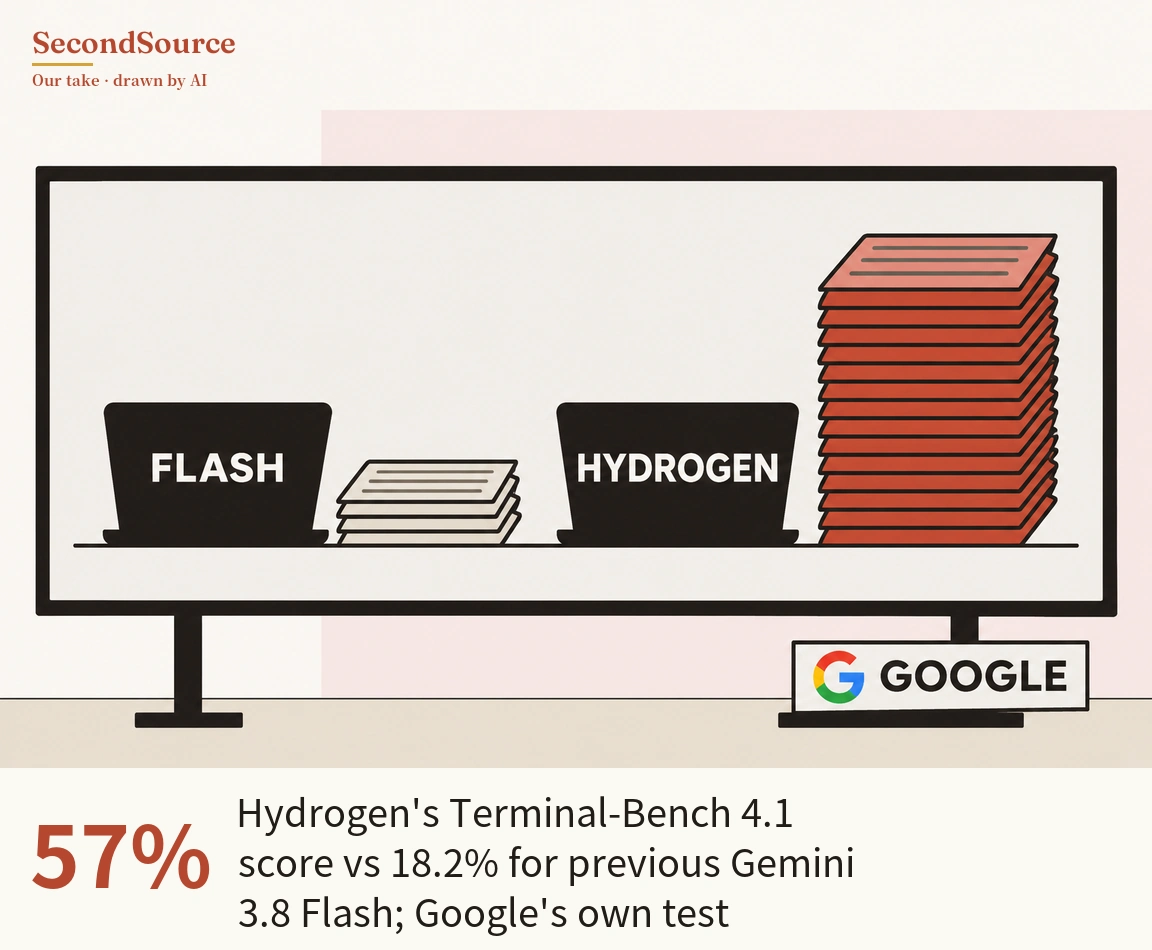
2. Google launches the low-cost model Gemini 4 Hydrogen, which scores 57% on the Terminal-Bench 4.1 terminal-task benchmark in Google's own test, against 18.2% for the previous Gemini 3.8 Flash.
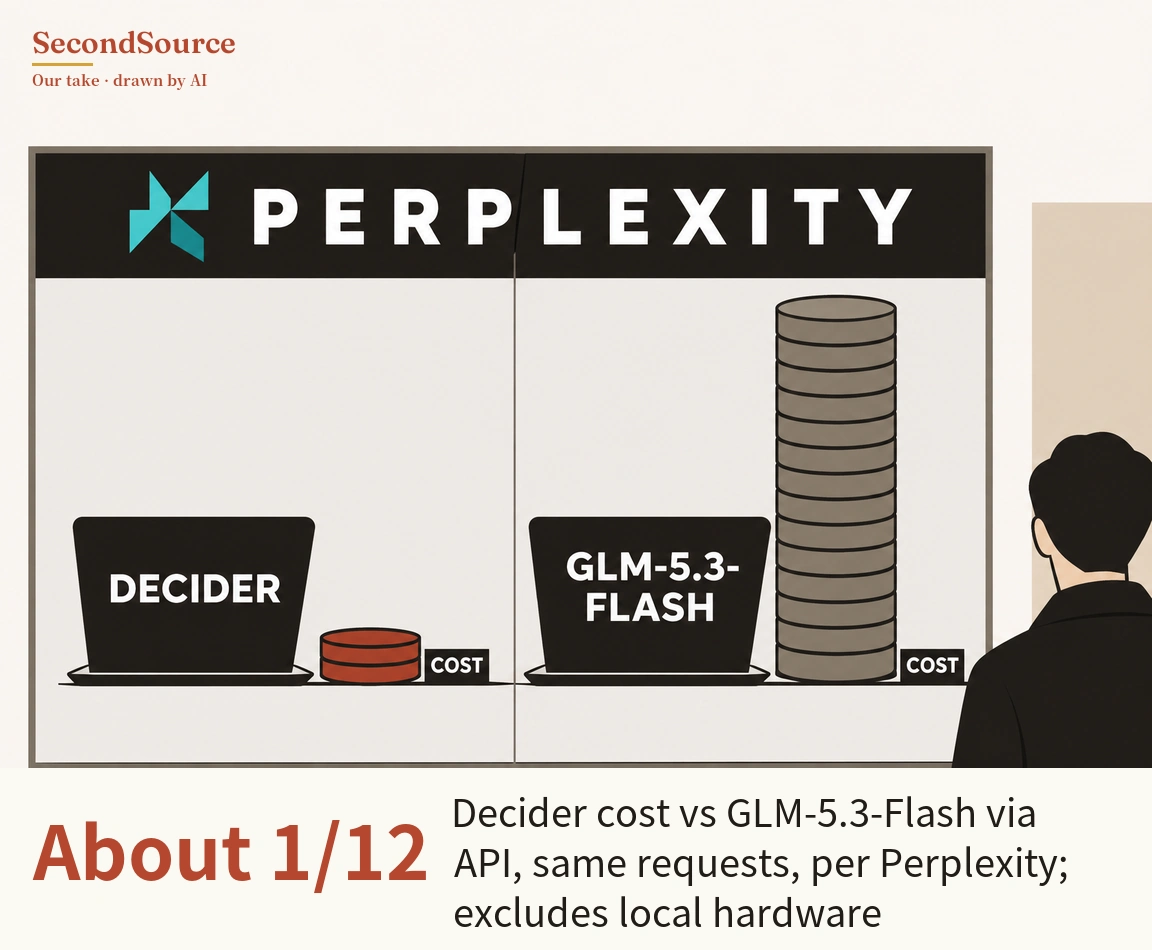
3. Perplexity releases the classification model Decider, which it says costs about 1/12 as much as GLM-5.3-Flash run through an API, not counting local hardware.
Also today: Nebius, a cloud provider that rents out GPUs, steps up capital spending again next year (main-line item 4).
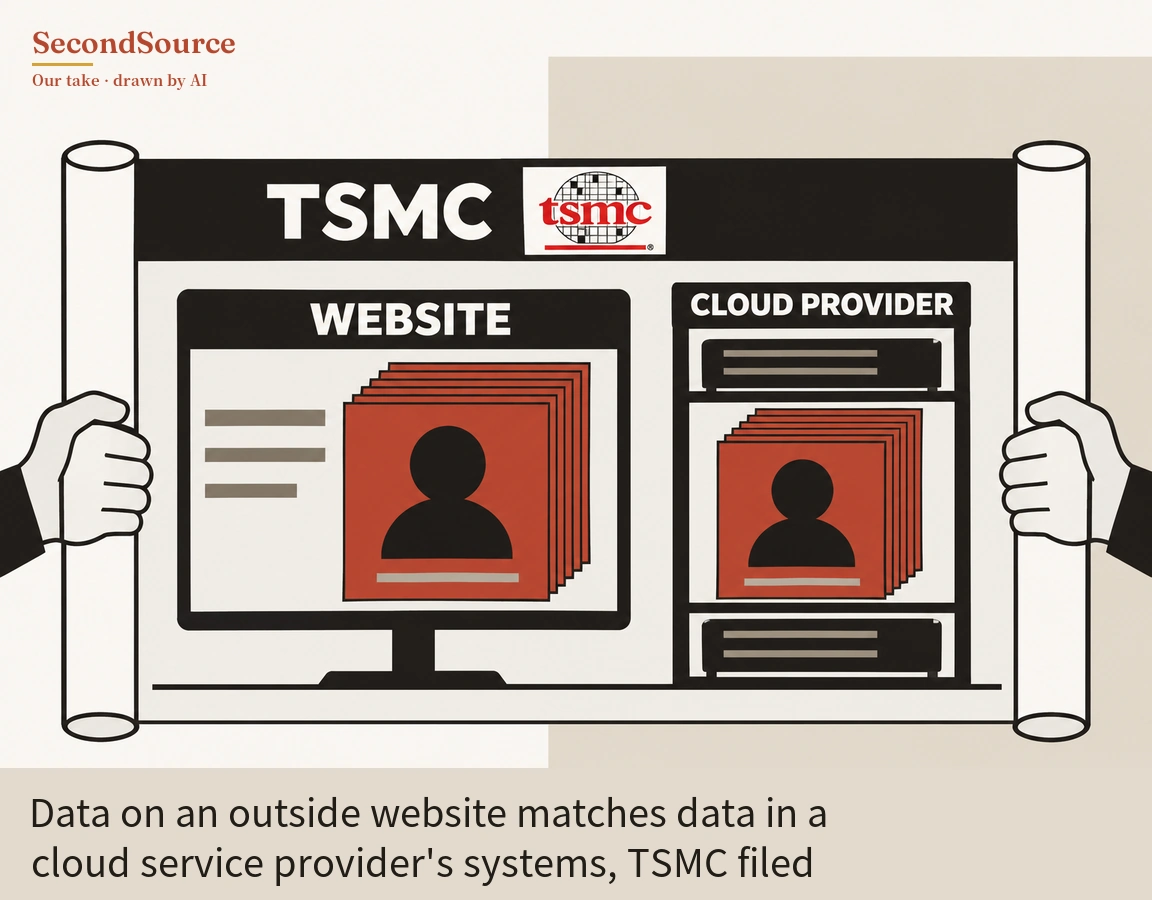
Correction: the November 11 issue said TSMC's subscription for Anthropic shares differed from AMD's practice of trading equity for orders. It said AMD issues its own equity, while TSMC pays cash for shares. But the amended Anthropic IPO registration statement that issue cited states that AMD, in the same round, is also paying cash for shares. That money offsets AMD's share-purchase commitment under a hardware supply agreement and is drawn down in installments as AMD chips are delivered and deployed. For TSMC's subscription, the document describes no link to any supply agreement. That issue also said TSMC chairman C.C. Wei's July answer had been transcribed by only one reporter; The Motley Fool also transcribed the same session, and the question was whether TSMC would invest in its customers' customers. The archived page on the site will be corrected; the conclusion that TSMC's filing states no order terms is unchanged.
Today's main line
1. NVIDIA's CFO Colette Kress becomes acting CEO, and the November 17 earnings report stays on schedule
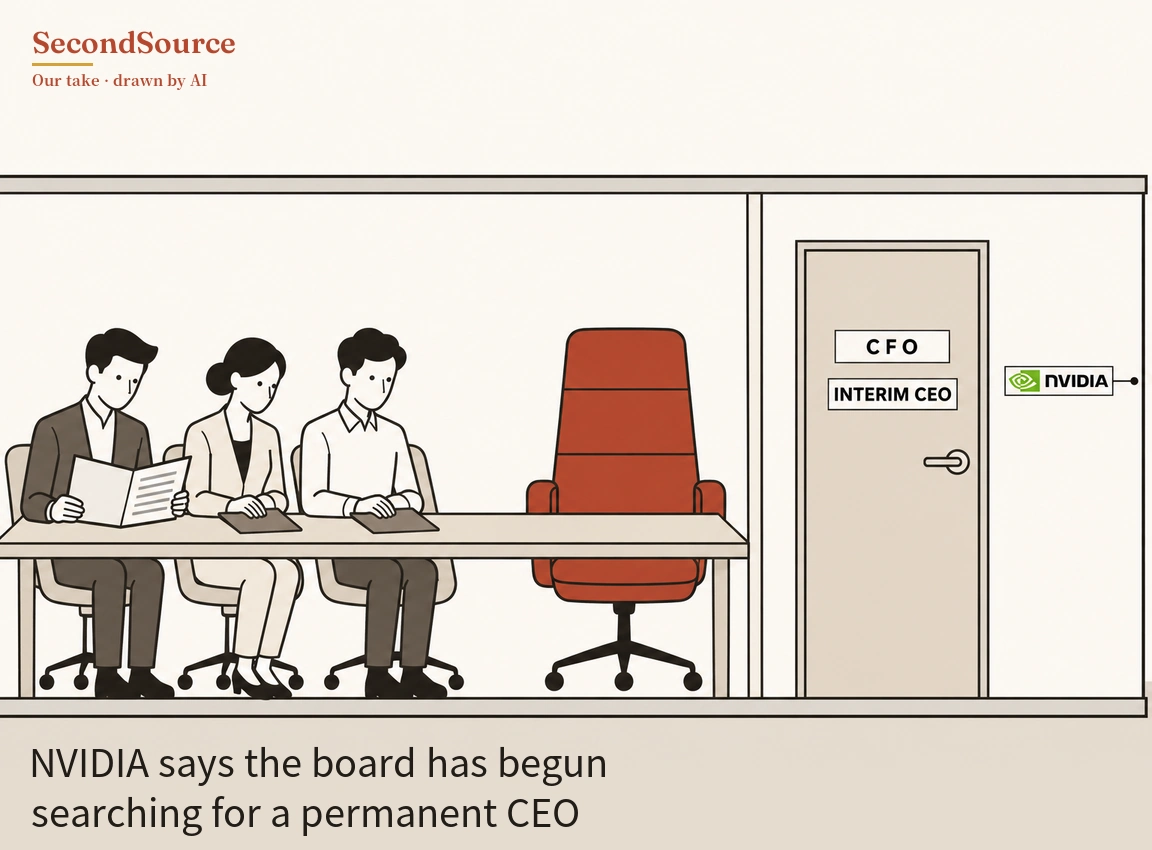
Our inference: November 17's report runs only to October 25, so it still covers a quarter Huang ran. The new leadership's approach to investments, guarantees and payment terms will show first in the report's notes on events after November 11 and in management's outlook.
2. Google launches the low-cost model Gemini 4 Hydrogen, which scores 57% on the Terminal-Bench 4.1 terminal-task benchmark in Google's own test, against 18.2% for the previous Gemini 3.8 Flash
3. Perplexity releases the classification model Decider, which it says costs about 1/12 as much as GLM-5.3-Flash run through an API, not counting local hardware
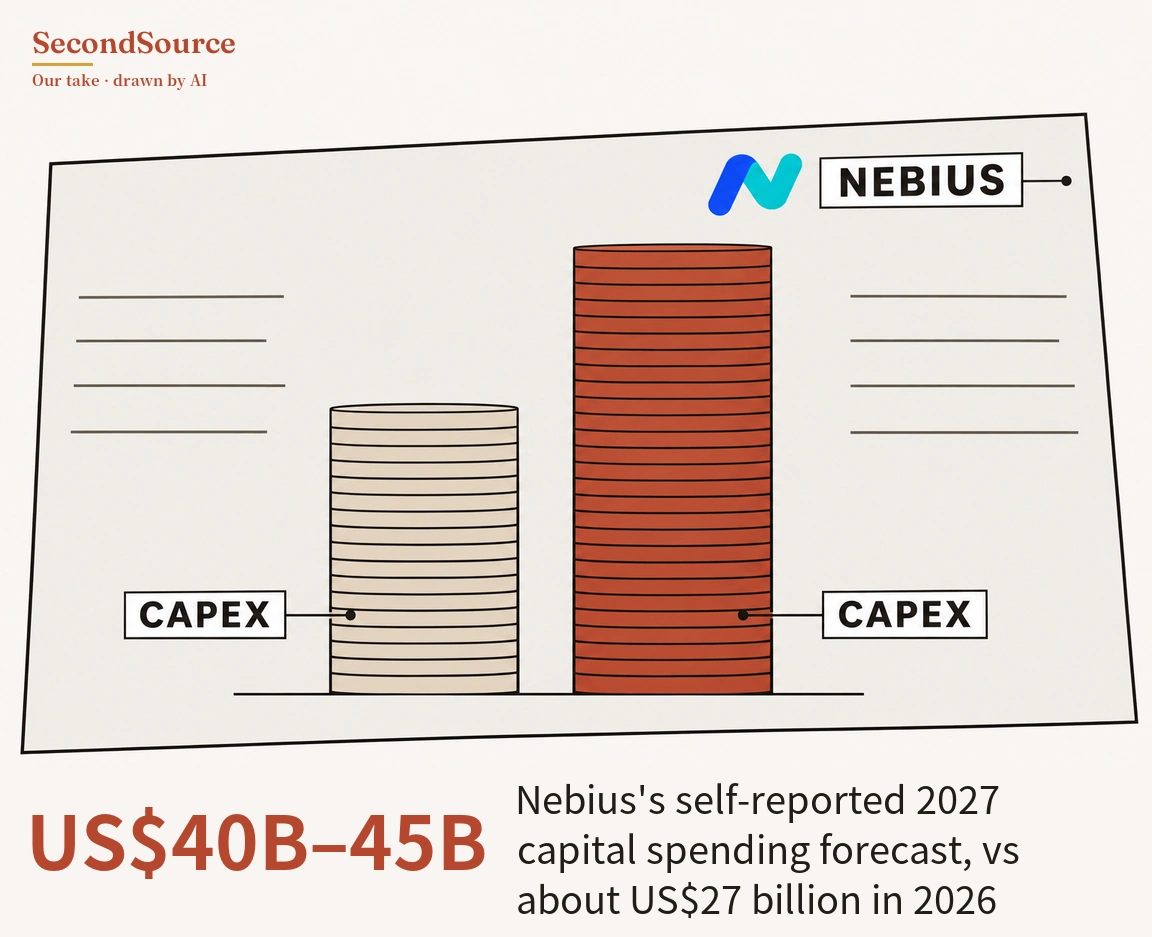
4. AI cloud provider Nebius forecasts 2027 capital spending of US$40 billion to US$45 billion, while 2026 revenue lands at the low end of guidance
Chips & semiconductors
Named commentary
Research & models
2. The preprint Lazarus plants a backdoor in open-weight agent models by rewriting just 7 neurons, without retraining, a result the authors self-report.(arXiv 2611.15118, 2026-11-11)
Product moves
2. Databricks' data agent Genie is now generally available in Slack, querying data with the asker's own permissions and requiring user approval before changing outside documents, with no usage or pricing figures published.(Databricks, 2026-11-12)
Also happened
1. Not verified by us yet: According to a Reuters report relayed by reporter Dan Nystedt, House Speaker Mike Johnson says a consensus is forming in Congress on restricting chip exports to China (Dan Nystedt, 2026-11-12).
2. Not verified by us yet: According to a report in The Information relayed by analyst Paul Triolo, the Commerce Department's remote-use rules now being finalized extend the countries requiring a license to Brazil, Indonesia, Norway and South Africa (Paul Triolo, 2026-11-12).
3. Not verified by us yet: Analyst Ming-Chi Kuo wrote on X that with NVIDIA's succession uncertain, Google's TPU may be the biggest beneficiary, with the effect showing in 2028 at the earliest (Ming-Chi Kuo, 2026-11-12).
4. Not verified by us yet: According to commentator Zvi Mowshowitz, citing another source, Anthropic's IPO price range is US$70 to US$78 a share, a fully diluted market value of US$1.27 trillion to US$1.41 trillion (Zvi Mowshowitz, 2026-11).
Sections with nothing new this issue
From the archive
SecondSource isn't a news digest: AI reads primary sources across fields, every judgment comes with its original source, and mistakes are corrected in public. The focus is what has changed and which claims still lack evidence, not what happened today.
Written from the same research and judgments as the Traditional Chinese edition. Sources are linked; we distinguish original documents from reporting and mark what we could not verify.