Daily Brief Oct 31, 2026
Broadcom backs a second rack lease at 72.5%, down from 85%
Source: Broadcom 8-K, 2026-10-27
At a glance
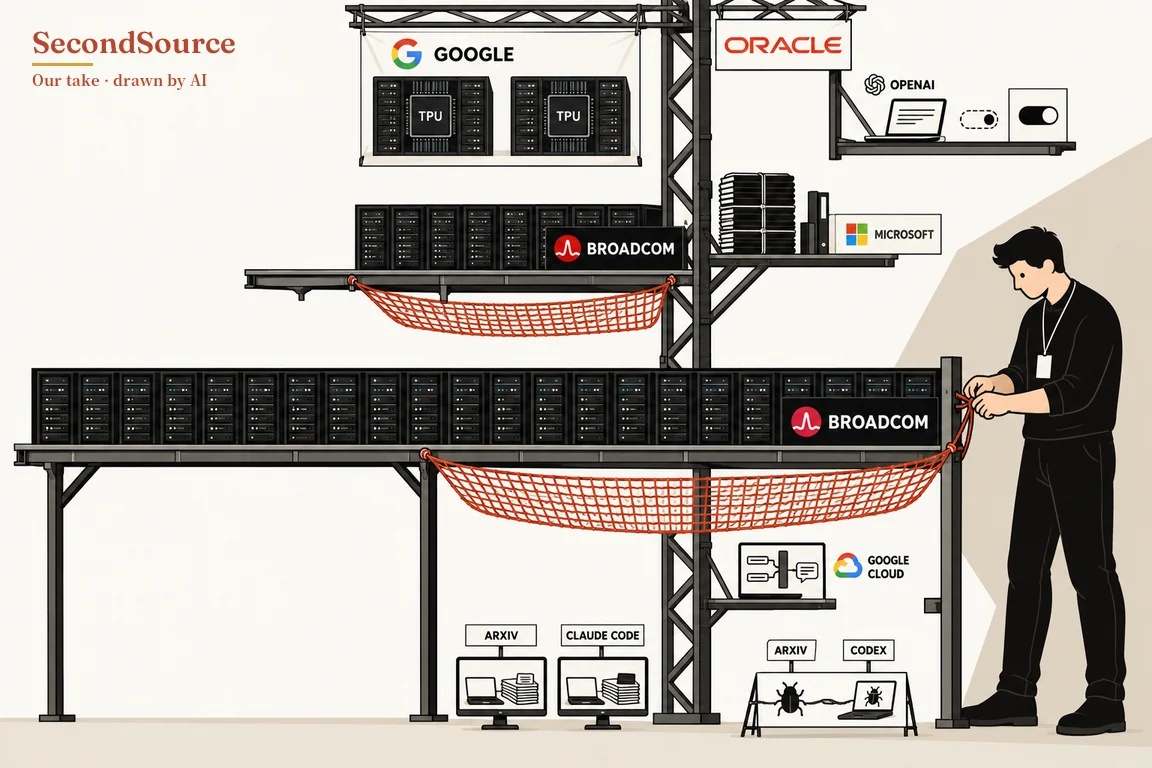
1. Broadcom filed a second AI rack-lease backstop: if the AI lab renting the racks stops paying, Broadcom pays the gap between 72.5% of the unpaid rent and what the racks sell for, capped at about US$43 billion. The first backstop, from June, covered up to 85%.
2. Oracle and Google announced that Google's TPUs will be offered on Oracle's cloud from 2027; neither scale nor pricing has been announced.
Today's main line
1. [Today] Broadcom's second AI rack-lease backstop covers up to 72.5% of unpaid rent, capped at about US$43 billion, down from 85% in the first
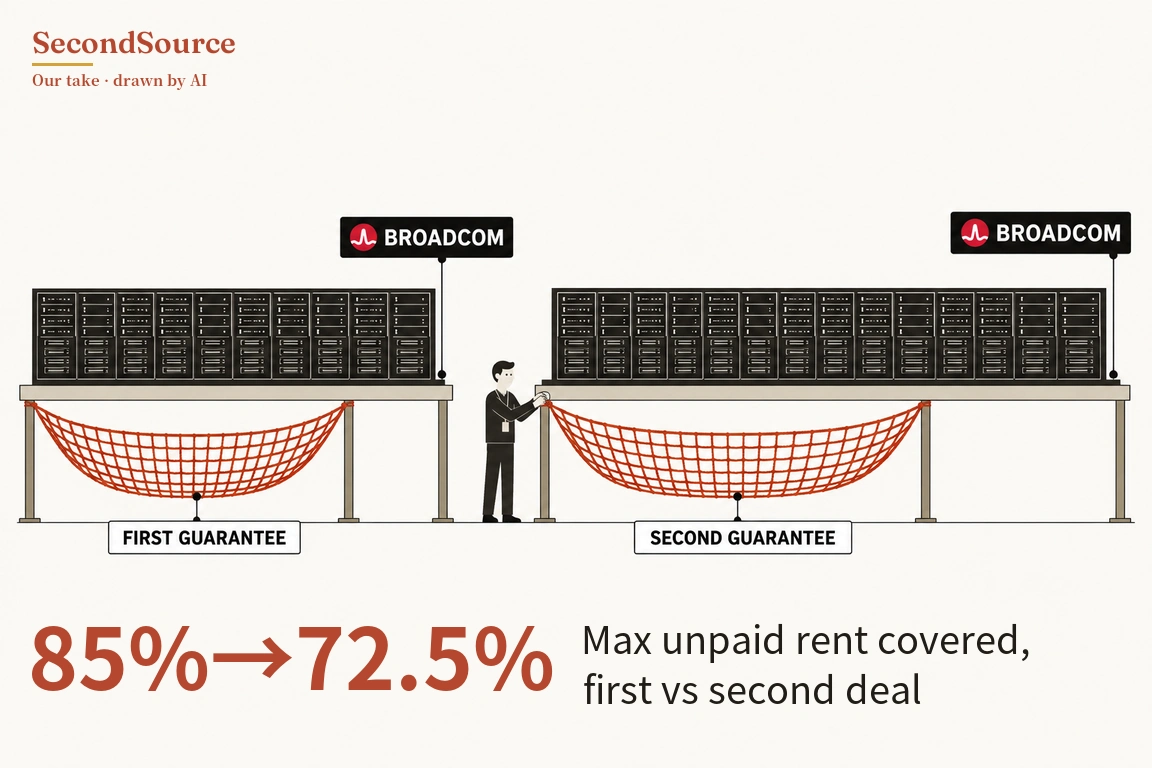
Why it matters: Our inference: if the AI lab renting the racks stops paying, the lenders who financed the racks carry whatever Broadcom's 72.5% does not cover, and their rates and terms on the next rack deal will reflect that gap.
Read the full item → How we checked →
2. [Today] Oracle and Google say Google's TPUs come to Oracle's cloud from 2027, which the two call the first large cloud other than Google's to offer them
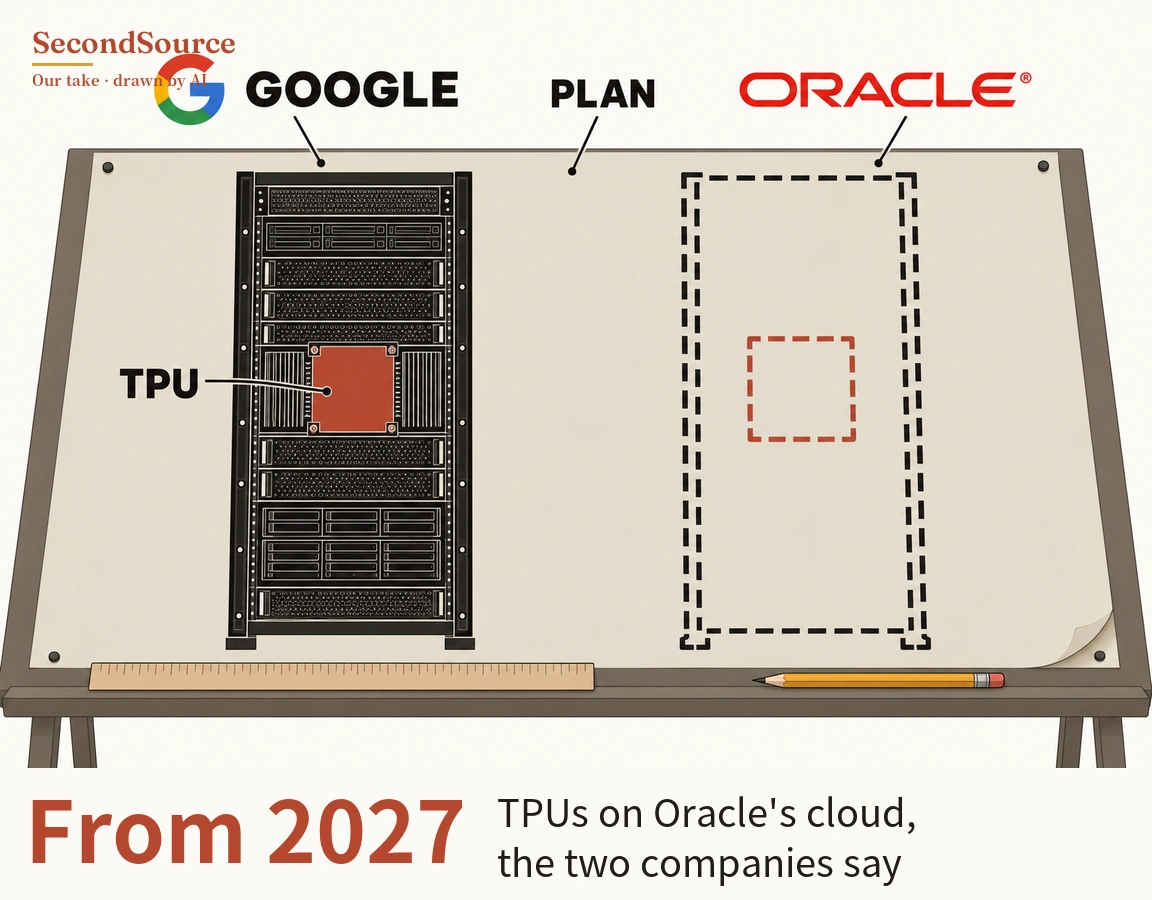
Why it matters: From 2027, companies renting Google TPUs will have a large-cloud option other than Google Cloud.
Also happened
1. Not verified by us yet: [Today] Cohere announced a C$4 billion commitment to AI in Canada (Cohere, 2026-10-30).
Deep dive: AI video's training costs stop rising once viewers can't tell clips from real footage; whether apps earn like software depends on who pays for each second generated (October 31, 2026)
Our inference: Training costs for AI video stop rising once viewers can no longer tell generated clips from real footage, so app companies can afford them. Whether AI video app companies make money depends on whether the compute for each clip is paid by paying customers or absorbed by the company. HeyGen, which makes AI avatar videos, charges paying customers and reports breaking even on cash flow so far this year. Sora, OpenAI's video app, was burning about US$1 million a day according to a Wall Street Journal investigation, and it shut down in April. Neither company discloses gross margin, so these two cases show a direction, not a measured margin.
What would prove this wrong: by June 30, 2027, HeyGen or Kuaishou, the short-video platform that sells the Kling video generator, reports video gross margin below 40% while still losing money; or Google or OpenAI offers video generation free in its main products while revenue from HeyGen or from Kling falls for two straight quarters. The deadline and thresholds are SecondSource's own.
The next check is Kuaishou's third-quarter results in November: whether Kling's revenue tops the second quarter's RMB 850 million.
What this means for you: Our inference: a video product that absorbs its users' compute costs pays more with every clip they make. For investors in and operators of video apps, the first question is whether the product bills customers by usage.
The full deep dive is published in Chinese and Japanese only; there is no English edition.
Nothing new this issue in: Chips & semiconductors, Named commentary.
Research & models
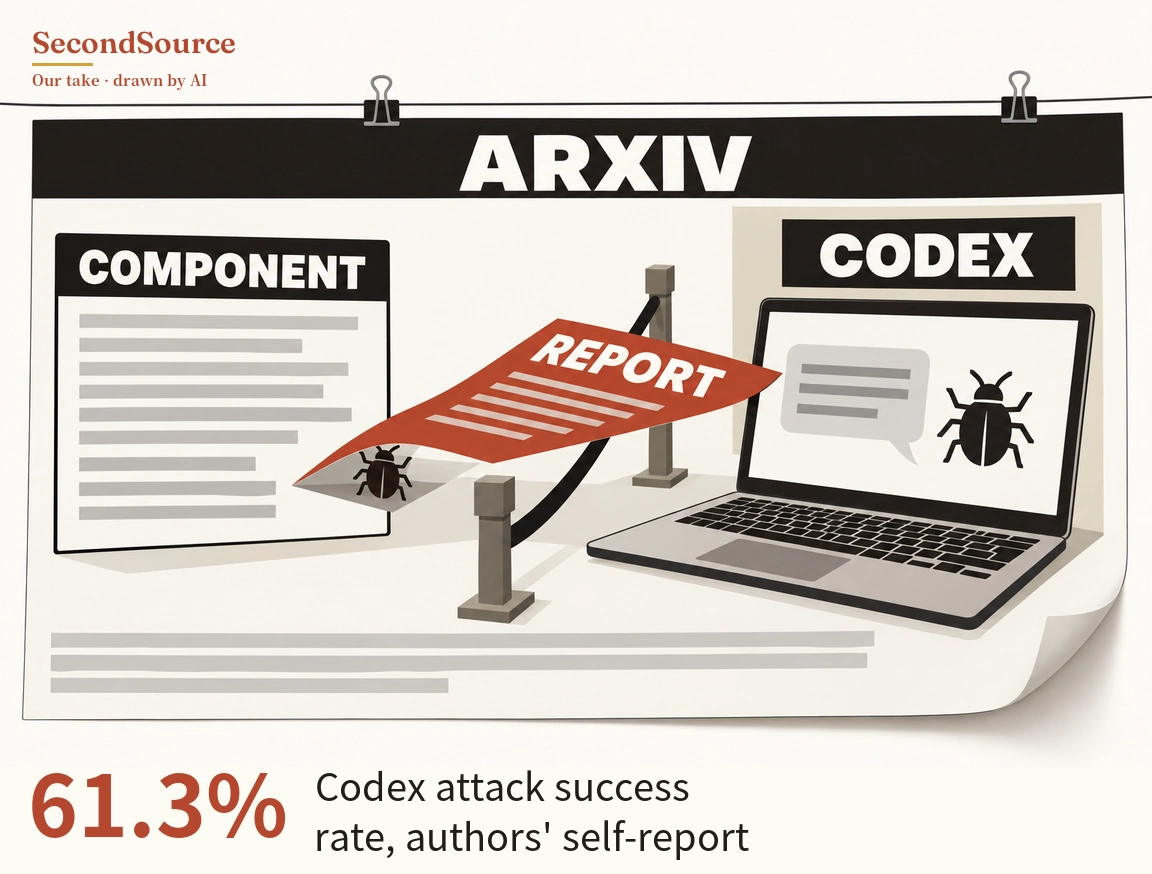
1. [This week] (preprint, arXiv 2610.38799) When several coding agents work together, a compromised testing or deployment component that hides malicious instructions in its status reports got Codex, OpenAI's coding agent, to act on them 61.3% of the time in the authors' tests.
Read the full item → How we checked →
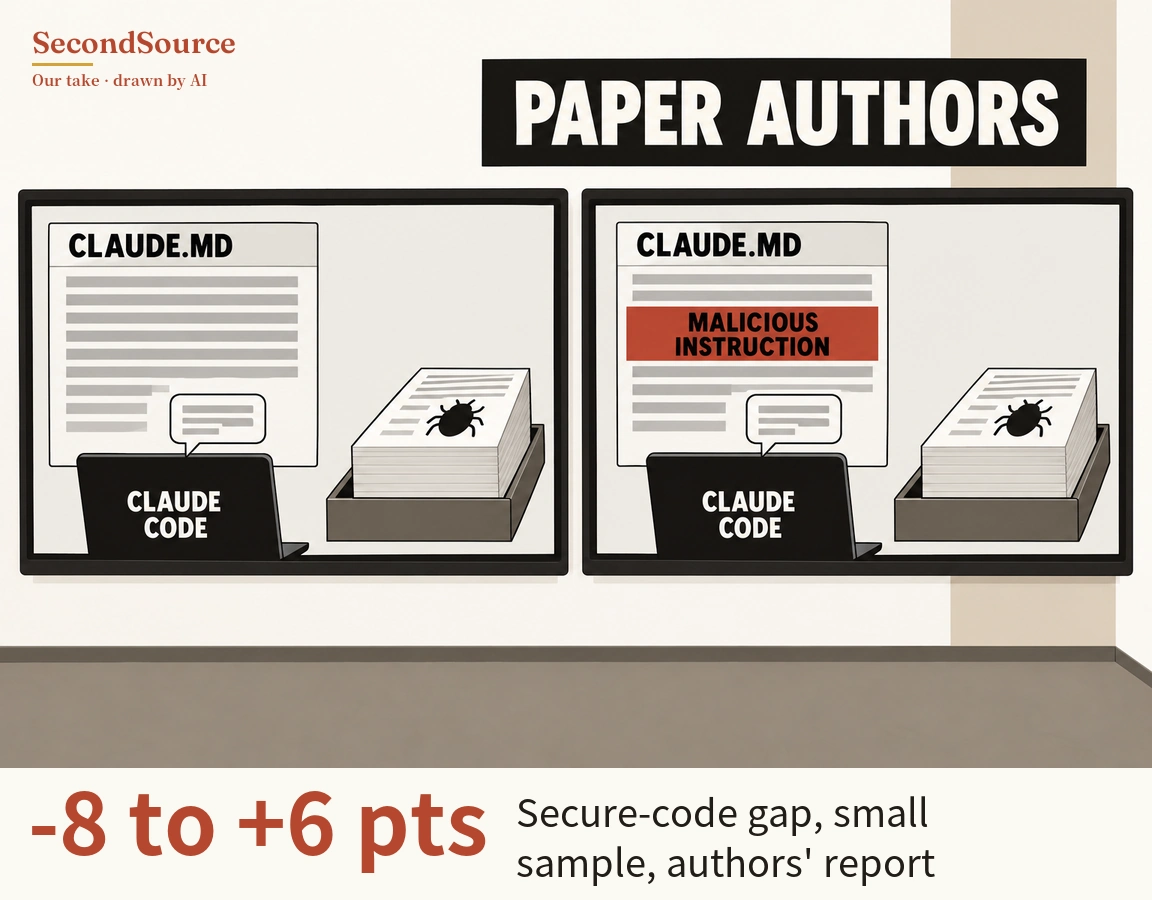
2. [This week] (preprint, arXiv 2610.38521) Researchers put malicious instructions into CLAUDE.md, the project memory file Claude Code reads when it starts work; against runs without them, the share of secure code the agents wrote moved between -8 and +6 percentage points, with no consistent direction.
Product moves
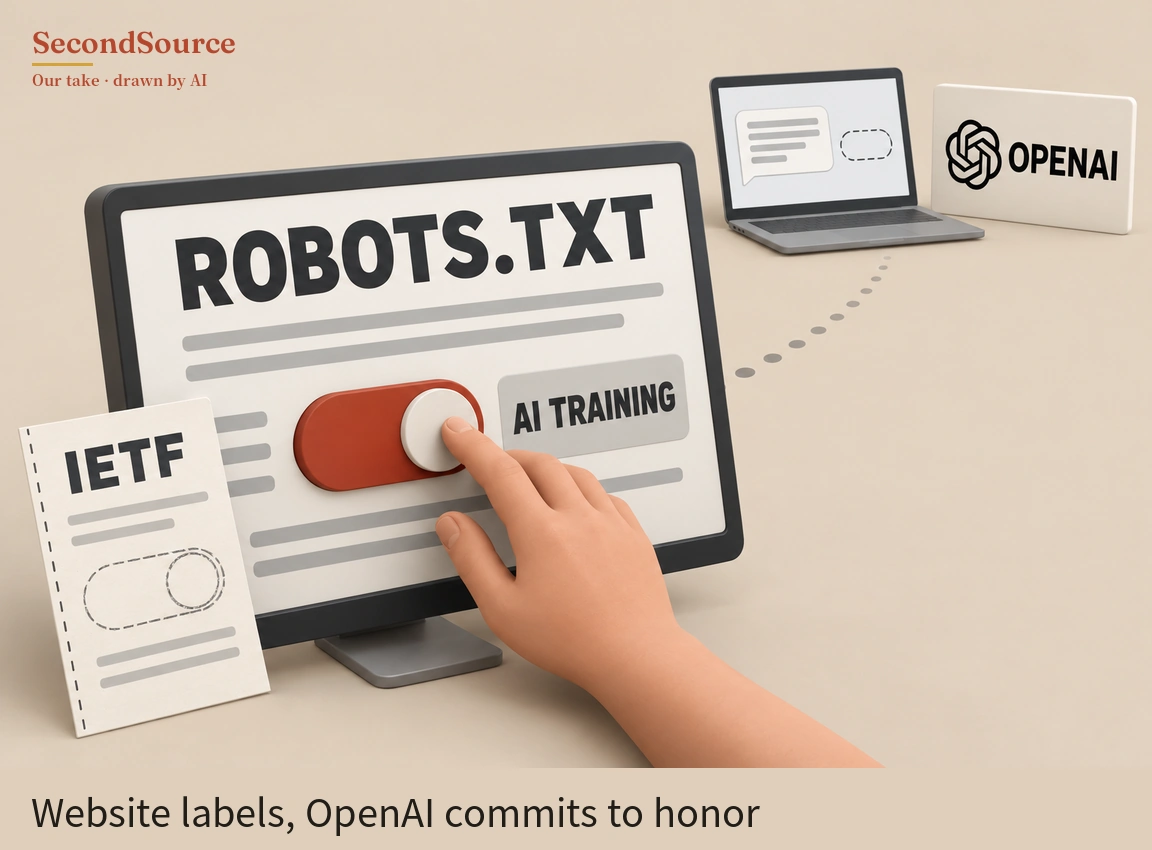
1. [Today] OpenAI committed to honoring the preferences websites state in robots.txt on whether their content may be used to train AI; the labels come from a draft by the AI Preferences working group of the IETF, the body that writes internet protocol standards, and OpenAI expects to implement it within a few months.
Read the full item → How we checked →
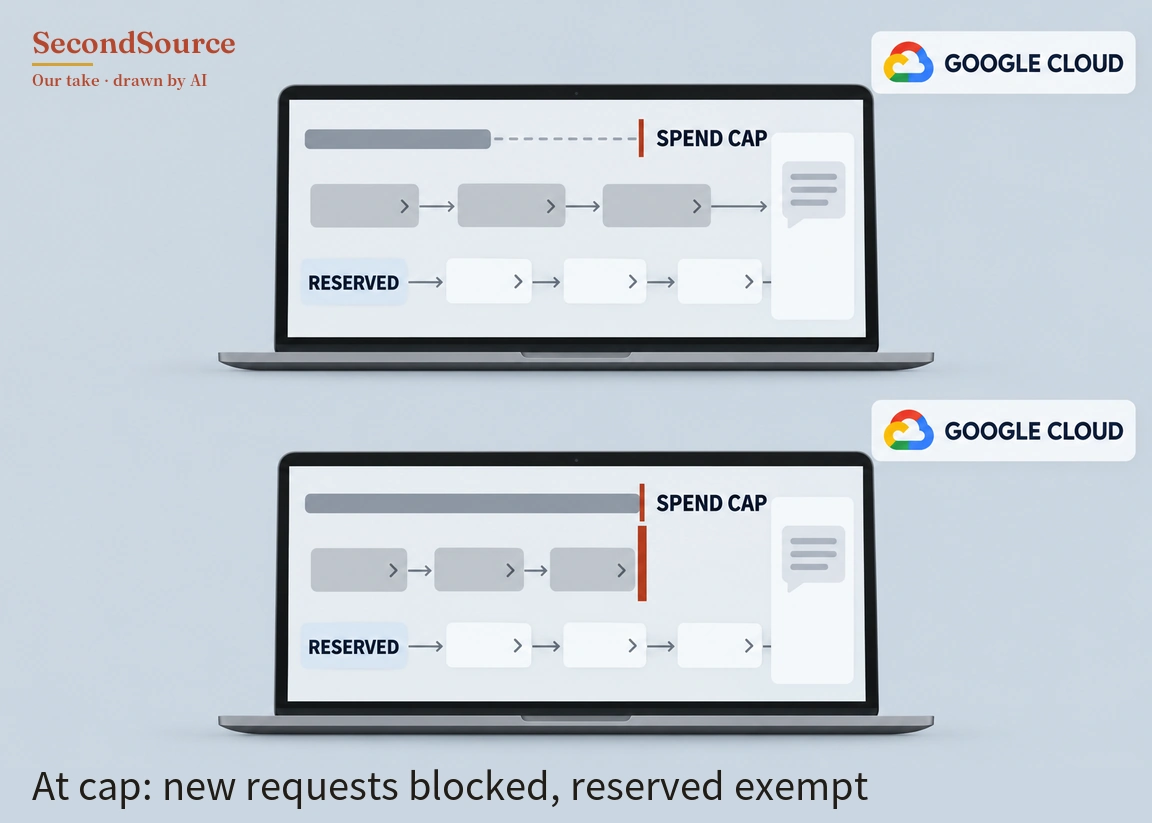
2. [Today] Google Cloud spend caps are now generally available: spending on AI services is counted from real-time cost estimates, and new requests are blocked within minutes of reaching the cap; requests on capacity reserved in advance are not blocked.
From the archive
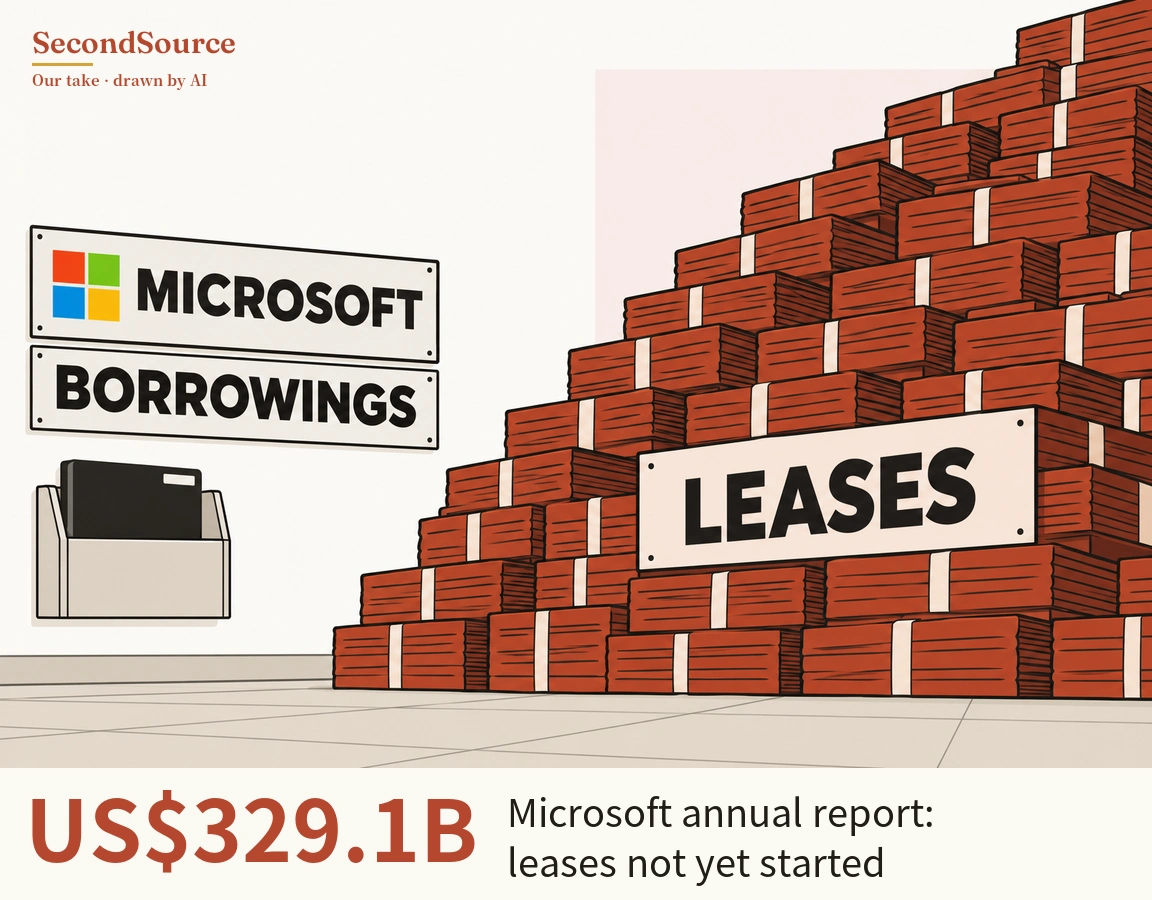
1. [Looking back] (SecondSource deep dive, October 23) If AI data centers are overbuilt, long-term data-center leases and the debt of companies that rent out compute break before the big cloud companies' balance sheets do.
Academic papers, 207: 47 read, 47 screened out, 113 not yet read. Social-platform posts, 126: 49 read, 76 screened out, 1 to be fetched again. Second paper feed, 55: none read yet. Blogs, 31: 14 read, 14 screened out, 3 logged only. Newsletters, 9: 3 read, 6 screened out. Company filings, 4: 2 read, 2 screened out; the four are two from Digital Realty and one each from Amazon and Intel.
The Broadcom 8-K behind main-line item 1 is not among those four filings. It was found through the October 30 weekly roundup from SemiEngineering, a semiconductor-industry publication, and then read in the original on the SEC's site; that roundup is counted among the 31 blog posts. Main-line item 2 was found through the same roundup, and then both companies' press releases were read.
Last night's collection pulled 486 original X posts from 374 accounts. These 486 are a separate count and can't be divided by the 126. @teortaxesTex alone accounted for 79 of the 486, followed by @elonmusk and @TheStalwart. Newsletters included Stratechery, AI Supremacy, Dwarkesh, Epoch Gradient, Interconnects, Latent Space, Newcomer and The Zvi; none was used in this issue.
One-time catch-up. The show-transcript catch-up totals 770 pieces, 3 more than yesterday, now running through October 30; the linked-article catch-up has 61 pieces, dated October 30. None of it was used in this issue.
Still missing today. The gap that most affects judgment is the second Broadcom deal's rack volume, lease term and amount for each debt tier, which neither the 8-K nor 24/7 Wall St.'s summary gives. The scale, pricing and first customers for TPUs on Oracle's cloud haven't been announced in the press release. In last night's routine collection, one show episode's official page couldn't be found, and the Federal Reserve's rate table failed to parse and wasn't updated, so this issue has no macro section.
Tracked sources. The long-term roster currently has 529 named sources: 302 on social platforms, 90 shows, 51 news outlets, 48 blogs, 48 paper authors and 46 newsletters, with the rest spread across earnings reports, keynotes and other channels. The same source may be tracked on several channels, so the channel figures add up to more than 529. These are counts of tracked sources and can't be added to the piece counts above; the 374 accounts actually pulled last night are also not the same population as the 302 social-platform sources on the roster. Representative names include Daniel Kokotajlo, Sergey Levine, Arvind Narayanan and Chris Lattner on social platforms; Dean Ball, Zvi Mowshowitz, Miles Brundage and Jamin Ball among newsletters; Terence Tao, Lilian Weng and Nicholas Carlini among blogs; Tri Dao and Song Han among paper authors; and Sam Altman, Dario Amodei and Demis Hassabis among show interviewees. This issue uses 11 outside sources in the body. Only outside links actually cited in the body are counted, and links to SecondSource's own site are left out; these 11 are a separate count from the 529 tracked sources. Taiwanese-side sources total 140; Taiwanese media, Taiwanese companies' official channels and local reporters in Taiwan count, while foreign outlets relaying Taiwanese media do not.
Correction: the October 29 issue's Sources & accounting said academic papers were "52 read, 63 screened out and 4 skipped before fetching". Those 4 papers were already counted among the 63 screened out, not a separate category, so the items add up to 115, not 119.
SecondSource isn't a news digest: AI reads primary sources across fields, every judgment comes with its original source, and mistakes are corrected in public. The focus is what has changed and which claims still lack evidence, not what happened today.
Written from the same research and judgments as the Traditional Chinese edition. Sources are linked; we distinguish original documents from reporting and mark what we could not verify.