Daily Brief Nov 3, 2026
Oracle files US$20B of stock and bonds, the size of its cap
At a glance
1. Oracle filed to sell US$10 billion of stock and US$10 billion of bonds, US$20 billion in all, the same size as the fundraising cap through fiscal 2030 that Oracle announced on October 28.
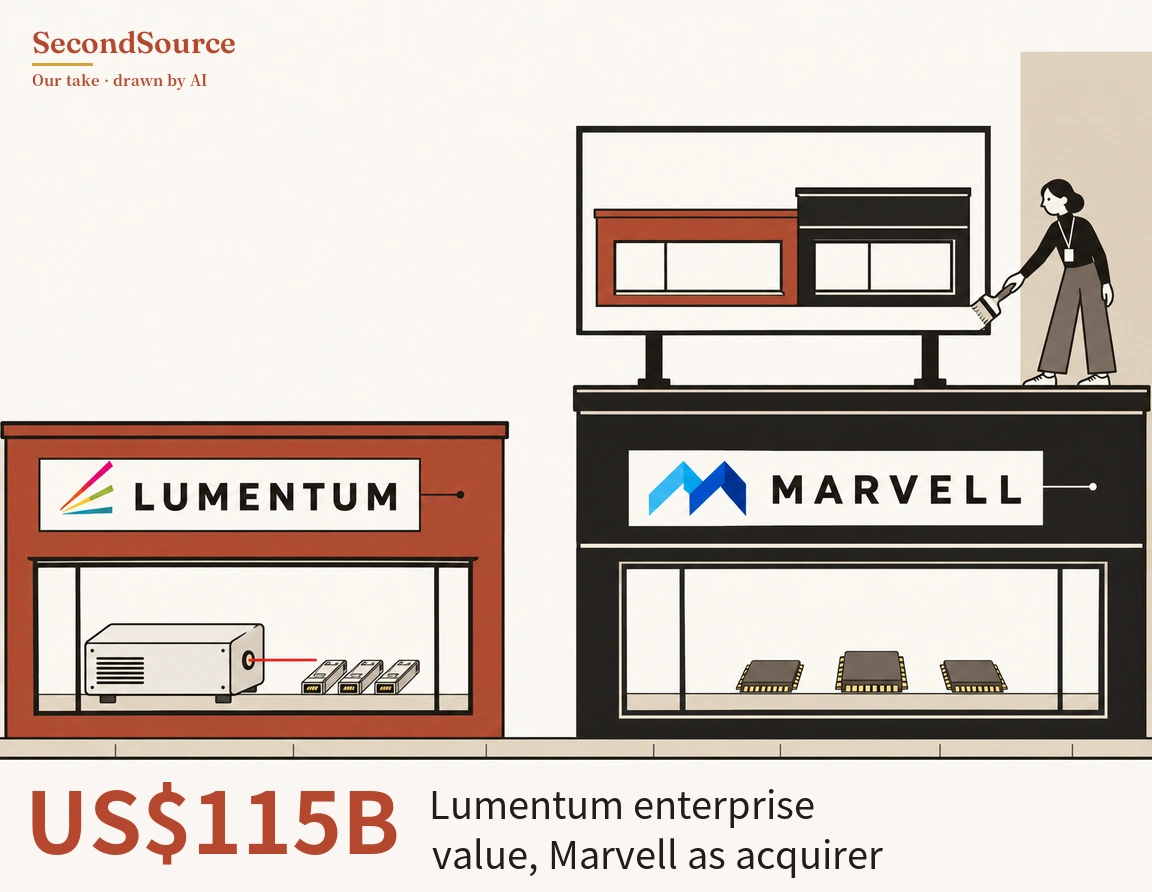
2. Marvell will buy optical-component maker Lumentum in an all-stock deal that values Lumentum at US$115 billion, about 23.9% above Lumentum's October 28 share price.
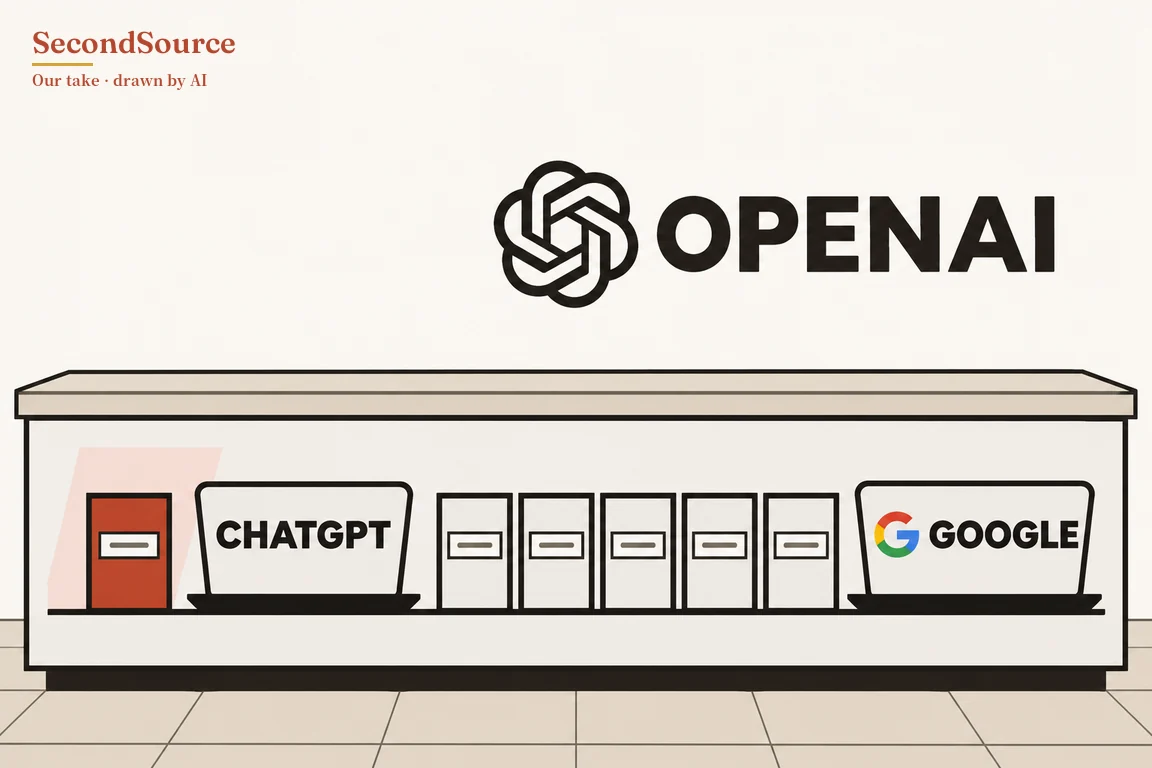
3. OpenAI self-reports ChatGPT's search volume at about a fifth of Google's; SEO tool maker Ahrefs, counting only queries traditionally searched on Google, estimated ChatGPT's volume at about 12% of Google's in February.
Today's main line
1. Oracle files for US$10 billion of common stock and US$10 billion of bonds at once, matching the funding cap it announced five days earlier
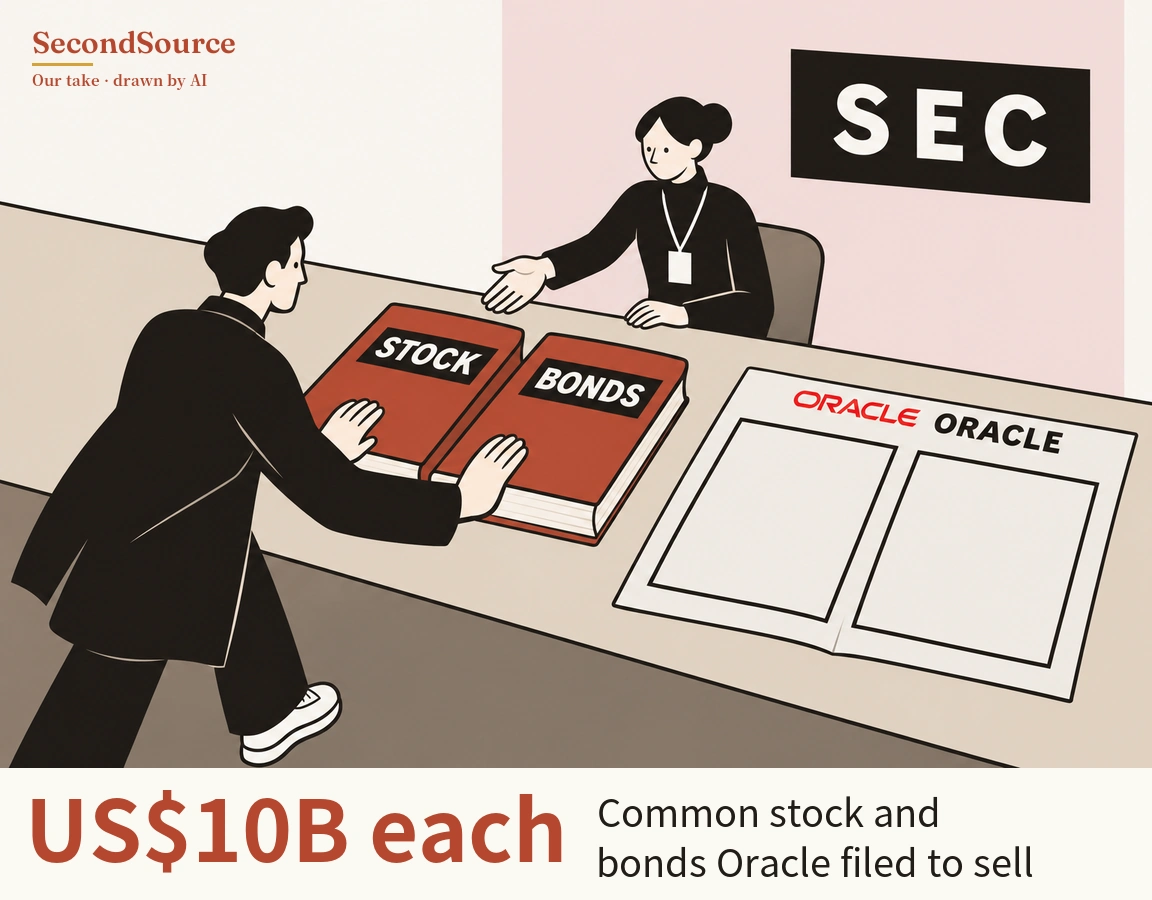
Our inference: if these two offerings count toward the US$20 billion cap Oracle announced on October 28, any further data-center buildout has to be funded from cash flow, customer prepayments and leases. That matters most to Oracle's bondholders and to the developers that lease data centers to Oracle.
Oracle's October 28 cap matches these filings exactly, in total and in split.
Oracle's February 1 financing-plan press release said that, apart from the bond sale early in the year, Oracle "does not expect to issue additional bonds" in 2026 (Oracle financing plan press release, 2026-02-01).
Outside the cap, Oracle has two routes that don't count as outside fundraising.
2. Marvell agrees to buy optical-component maker Lumentum in an all-stock deal that values Lumentum at US$115 billion
3. OpenAI tells a reporter ChatGPT's search volume is about a fifth of Google's; SEO tool maker Ahrefs estimated about 12% in February
Also happened — not verified by us yet
No new items in this section this issue.
Deep dive: Who gets new AI models first: labs nominate, and US government letters list who is cleared (November 3, 2026)
The evidence says: AI labs give a few trusted partners a new model for several weeks before public release. From late June to mid-September, the White House Office of the National Cyber Director wrote to AI labs model by model, listing the trusted partners cleared for early access. Those partners were drawn from confidential customer lists the labs gave the government. Our inference: an early-access seat has to pass two gates outsiders can't see, a lab's nomination and government clearance. Seats will therefore tend to go to customers the labs value that can also pass US national-security review.
The dates and descriptions of these letters come from the withholding list the government attached when it held back documents in a records lawsuit; the list gives each document's date, subject and reason for withholding, and SecondSource covered it on November 2. This deep dive adds the Commerce Department's June export-control letter restricting foreign persons' use of new models, the text of the president's June executive order, and the opposing account a White House official gave CNBC in July, that the government doesn't approve companies' releases.
What would prove this wrong: by March 31, 2027, court orders or documents the government releases itself show that the office's letters only acknowledged the labs' lists and never cut a name from any of them; "government clearance" would then become "government receipt".
What this means for you: If this inference holds, security firms that rely on new models to find vulnerabilities but aren't on a trusted-partner list will get the new models only after public release.
The full deep dive is published in Chinese only; there is no English edition.
Chips & semiconductors
No chips & semiconductors item this issue. The Marvell–Lumentum deal is main-line item 2.
Named commentary
No named commentary this issue. Only one show transcript came in last night; see Sources & accounting at the end.
Research & models
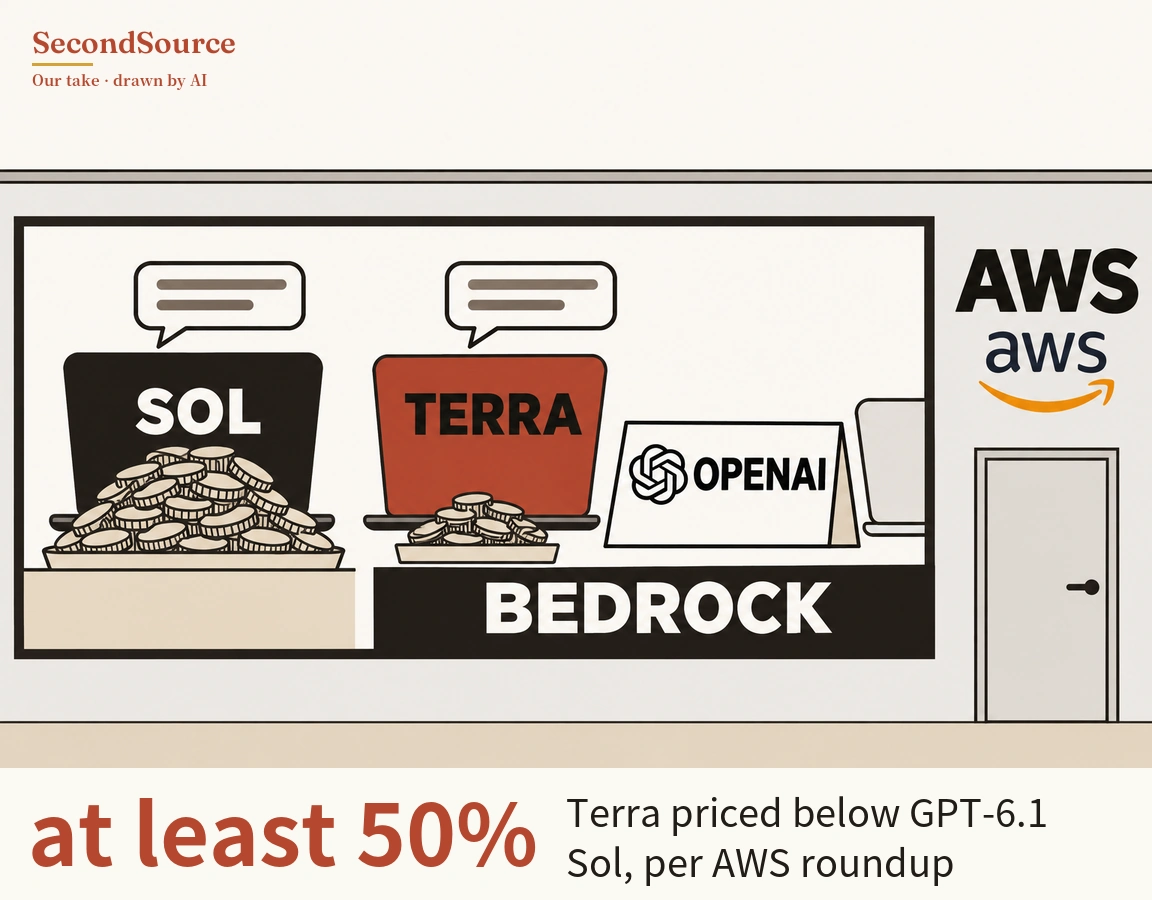
1. AWS's November 2 weekly roundup says OpenAI's GPT-6.1 Terra is generally available on Amazon Bedrock, priced at least 50% below GPT-6.1 Sol.
From the archive
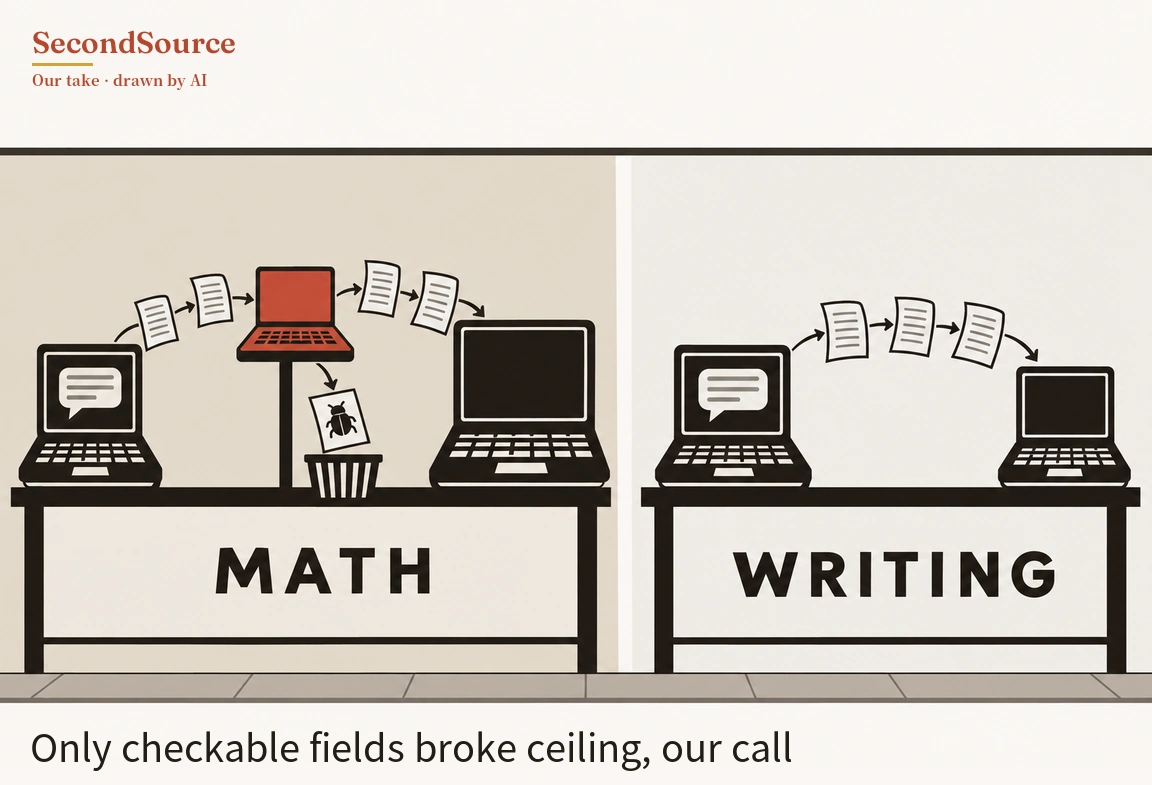
1. [Looking back] (SecondSource call, July 14) On whether synthetic data has a ceiling, SecondSource split fields in two by whether answers can be checked automatically.
Academic papers, 285: 93 read, 60 screened out (1 of them before fetching), 132 not yet read. Social-platform posts, 115: 47 read, 54 screened out, 4 logged only, 10 not yet read. Blogs, 34: 24 read, 10 screened out. Company filings, 13: 12 read, 1 not yet read. Second paper feed, 11: none read yet. Newsletters, 8: 5 read, 3 screened out. Linked articles (3) and the show transcript (1): all read.
There is only one show transcript because last night's transcript fetch failed, and a fallback attempt through YouTube returned nothing either. Oracle's February press release in main-line item 1 and the Ahrefs estimate in main-line item 3 were looked up separately to check the main line, and aren't among the 470. Last night's collection pulled 456 original X posts from 374 accounts. These 456 are a separate count from the 115 above and can't be compared with them directly.
One-time catch-up. The database also holds several one-time catch-up batches dated between July 1 and October 30 this year, counted separately from the past 24 hours above. None of it was used in this issue.
Still missing today. The gap that most affects judgment is the pricing version of Oracle's prospectuses: the preliminary versions leave the share price, the coupon on each tranche and the final amounts blank, and the prospectuses don't say whether this offering counts toward the cap. Kantrowitz's post doesn't say how ChatGPT search volume is counted, and the AWS roundup doesn't give GPT-6.1 Terra's absolute prices. This issue has no macro section.
Tracked sources. The long-term roster currently has 529 named sources: 302 on social platforms, 90 shows, 51 news outlets, 48 blogs, 48 paper authors and 46 newsletters, with the rest spread across earnings reports, keynotes and other channels. The same source may be tracked on several channels, so the channel figures add up to more than 529. These are counts of tracked sources and can't be added to the piece counts above; the 374 accounts actually pulled last night are also not the same population as the 302 social-platform sources on the roster. Representative names include Daniel Kokotajlo, Sergey Levine, Arvind Narayanan and Chris Lattner on social platforms; Terence Tao and Lilian Weng among blogs; and Sam Altman, Dario Amodei and Demis Hassabis among show interviewees. This issue uses 12 outside sources in the body. Only outside links actually cited in the body are counted; these 12 are a separate count from the 529 tracked sources. Taiwanese-side sources total 150, with 43 added in October and 9 so far in November; Taiwanese media, Taiwanese companies' official channels and local reporters in Taiwan count, while foreign outlets relaying Taiwanese media do not.
SecondSource isn't a news digest: AI reads primary sources across fields, every judgment comes with its original source, and mistakes are corrected in public. The focus is what has changed and which claims still lack evidence, not what happened today.
Written from the same research and judgments as the Traditional Chinese edition. Sources are linked; we distinguish original documents from reporting and mark what we could not verify.